
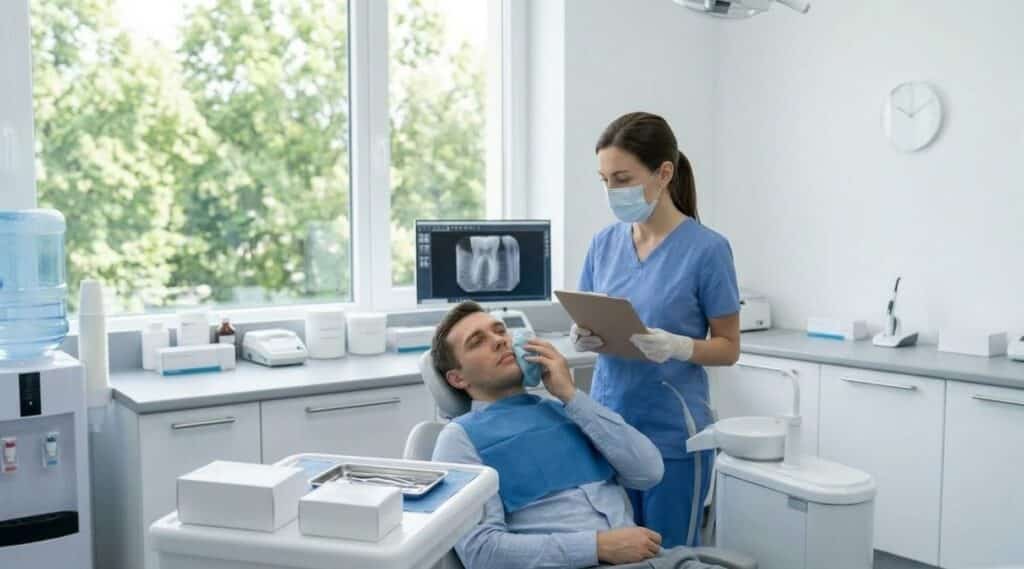
Recovering from root canal therapy is a crucial aspect of ensuring long-term dental health. Patients often wonder about the duration and nature of the recovery process following this common dental procedure. Understanding the recovery timeline can help alleviate anxiety and set realistic expectations for healing. In this article, we will explore the typical healing timeline after root canal therapy, the duration of pain, and effective post-operative care practices. Additionally, we will discuss how certain factors, such as dietary choices and oral conscious sedation, can influence recovery time. By the end of this guide, you will have a comprehensive understanding of what to expect after your root canal in Vacaville, CA.
What Is the Typical Healing Timeline After Root Canal Therapy in Vacaville?
The healing timeline after root canal therapy generally spans several weeks, with most patients experiencing significant improvement within a few days. Typically, the initial recovery period lasts about 24-48 hours, during which patients may experience some discomfort and swelling. After this period, many individuals find that their symptoms gradually diminish.
Factors influencing the healing timeline include the complexity of the procedure, the patient’s overall health, and adherence to post-operative care instructions. Most patients can expect to return to normal activities within a week, although complete healing of the tooth and surrounding tissues may take up to 4-6 weeks. Understanding this timeline can help patients manage their expectations and plan their recovery accordingly.
How Long Does Pain Last After a Root Canal in Vacaville?
Pain following a root canal is a common concern for many patients. Typically, discomfort can last anywhere from a few days to a week. Most patients report that the pain peaks within the first 48 hours after the procedure and then gradually subsides.
Pain management strategies, such as over-the-counter pain relievers, can be effective in alleviating discomfort. If pain persists beyond a week or intensifies, it is essential to contact your dentist, as this may indicate complications. Understanding the expected duration of pain can help patients feel more at ease during their recovery.
What Are the Phases of the Endodontic Healing Process?
The endodontic healing process consists of several distinct phases that contribute to the overall recovery after root canal therapy. These phases include:
- Cleaning the Infected Area: The dentist removes infected pulp and debris from the root canals, which is crucial for preventing further infection.
- Shaping and Filling the Canals: After cleaning, the canals are shaped and filled with a biocompatible material to seal them and prevent reinfection.
- Sealing and Restoration: Finally, the tooth is sealed, and any necessary restorations, such as crowns, are placed to restore its function and appearance.
Each phase is essential for ensuring the long-term success of the treatment and the health of the tooth.
What Are the Best Post-Operative Care Practices for Root Canal Recovery in Vacaville?
Effective post-operative care is vital for a smooth recovery after root canal therapy. Here are some best practices to follow:
- Manage Discomfort: Use prescribed or over-the-counter pain medications as directed to manage any discomfort.
- Avoid Chewing on the Treated Tooth: Refrain from chewing on the treated tooth until your dentist confirms it is safe to do so, as this can prevent further damage and aid healing.
- Maintain Good Oral Hygiene: Continue to brush and floss regularly, but be gentle around the treated area to avoid irritation.
Following these practices can significantly enhance the recovery experience and promote healing.
Which Post Root Canal Care Steps Help Reduce Recovery Time?
To expedite recovery after root canal therapy, consider the following steps:
- Pain Management: Adhering to pain management strategies can help minimize discomfort and allow for a quicker return to normal activities.
- Dietary Recommendations: Consuming soft foods and staying hydrated can support healing and prevent irritation to the treated area.
- Regular Check-Ups: Scheduling follow-up appointments with your dentist ensures that the healing process is on track and allows for early detection of any complications.
Implementing these steps can lead to a more efficient recovery process.
How Does Avoiding Chewing on the Treated Tooth Aid Recovery?
Avoiding chewing on the treated tooth is crucial for several reasons. First, it prevents additional stress on the tooth, which may still be sensitive after the procedure. Second, it allows the surrounding tissues to heal without interference. Lastly, avoiding pressure on the treated area can help ensure that the filling material remains intact, reducing the risk of reinfection.
By being mindful of chewing habits, patients can significantly enhance their recovery experience.
How Does Oral Conscious Sedation Affect Root Canal Recovery Time in Vacaville?
Oral conscious sedation can play a significant role in the recovery process after root canal therapy. This sedation method helps alleviate anxiety and discomfort during the procedure, allowing for a more relaxed experience. Patients who undergo sedation often report less pain and discomfort post-treatment, which can contribute to a smoother recovery.
For more information, you can contact us today to learn more about our services and how we can help you with your dental needs.
Additionally, sedation can help patients remain calm and still during the procedure, potentially leading to a more efficient treatment process. Understanding the benefits of oral conscious sedation can help patients make informed decisions about their treatment options.
What Are the Benefits of Oral Conscious Sedation During Root Canal Therapy?
Oral conscious sedation offers several advantages during root canal therapy:
- Reduced Anxiety: Patients often feel more relaxed and less anxious, which can enhance the overall experience.
- Increased Comfort: Sedation can minimize discomfort during the procedure, making it easier for patients to tolerate the treatment.
- Faster Treatment Time: A calm patient may allow the dentist to work more efficiently, potentially reducing the overall duration of the procedure.
These benefits highlight the value of considering sedation options for those undergoing root canal therapy.
To ensure you are receiving the best care, check out our patient reviews.
Yes, sedation can influence pain and swelling after root canal treatment. By reducing anxiety and discomfort during the procedure, patients may experience less post-operative pain. Additionally, sedation can help minimize the body’s stress response, which may contribute to swelling.
However, it is essential to follow post-operative care instructions to manage any residual discomfort effectively. Understanding the relationship between sedation and recovery can help patients make informed choices about their treatment. For guidance and support during your recovery, contact Blue Ridge Family Dental to ensure your post-operative care is safe and comfortable.
What Dietary Recommendations Support Faster Recovery After Root Canal Treatment in Vacaville?
Diet plays a crucial role in recovery after root canal therapy. Here are some dietary recommendations to support healing:
- Soft Foods: Opt for soft foods that are easy to chew and swallow, such as yogurt, mashed potatoes, and smoothies.
- Hydration: Drink plenty of fluids to stay hydrated, which is essential for overall health and recovery.
- Nutrient-Rich Foods: Incorporate fruits, vegetables, and lean proteins to provide the necessary nutrients for healing.
Following these dietary guidelines can help facilitate a smoother recovery process.
Which Foods Should Be Avoided After Root Canal Therapy?
Certain foods should be avoided to promote healing after root canal therapy:
- Hard Foods: Foods like nuts and hard candies can put unnecessary pressure on the treated tooth.
- Sticky Foods: Chewy candies and gum can adhere to the treated area and cause discomfort.
- Hot Foods and Beverages: Extremely hot items can increase sensitivity and discomfort in the treated area.
By avoiding these foods, patients can help ensure a more comfortable recovery.
What Are Safe Eating Practices During the Healing Period?
During the healing period, it is essential to adopt safe eating practices to support recovery:
- Chew on the Opposite Side: Avoid using the treated tooth for chewing until cleared by your dentist.
- Cut Food into Small Pieces: This makes it easier to chew and reduces the risk of discomfort.
- Monitor Temperature: Be cautious with the temperature of foods and beverages to avoid irritation.
Implementing these practices can help patients navigate their dietary needs during recovery.
What Are Common Patient Questions About Root Canal Recovery in Vacaville?
Patients often have several questions regarding recovery after root canal therapy. Common inquiries include:
- Can I Chew Normally After a Root Canal Treatment?: It is advisable to avoid chewing on the treated tooth until your dentist confirms it is safe.
- When Should I Contact My Dentist About Post-Procedure Symptoms?: If you experience severe pain, swelling, or any unusual symptoms, contact your dentist promptly.
Addressing these questions can help patients feel more informed and prepared for their recovery journey.
Can I Chew Normally After a Root Canal Treatment?
After a root canal treatment, it is essential to avoid chewing on the treated tooth until your dentist advises that it is safe to do so. Chewing prematurely can lead to complications, such as damage to the filling material or increased discomfort. Most dentists recommend waiting at least a few days or until the tooth is fully restored before resuming normal chewing activities.
When Should I Contact My Dentist About Post-Procedure Symptoms?
Patients should contact their dentist if they experience any of the following symptoms after a root canal treatment:
- Severe Pain: If pain persists or worsens beyond the expected duration.
- Swelling: Significant swelling that does not subside after a few days.
- Fever: Any signs of fever or systemic illness.
Prompt communication with your dentist can help address any potential complications early on.